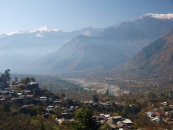


Environment has been intrinsic to our oral traditions much before we developed writing. But it is only in the past decade or two that environmental literature has become mainstream Oral tradition is the oldest form of passing down human experiences from one generation to another. Traditionally, it has been at the core of all societies. There is not one culture in the world where oral literature has not preceded written literature. Stories and storytelling have been at the forefront of every evolving society providing new generations with an ever-increasing pool of experiential knowledge tried and perfected by preceding generations of community members, shamans and medicine people. They transmit social values and spiritual philosophies, inform about history, and describe complex scientific wisdom and environmental knowledge, and further conservation ethics. The ways in which traditional stories are linked with us and the world around us are, perhaps, unfathomably deep. Stories open up vast areas of re-evaluating our attitude towards the natural world. Very often, they provide clues to address challenges related to complex environment and sustainability issues. Tribal folklore has much to offer in this respect, with much of the belief system of indigenous groups around the world still rooted in shamanism and nature worship. Take the case of people in the Eastern Himalayas who speak the Kiranti group of languages—a family of Tibeto-Burman languages.