
Breaking News
- Trending
EK LAMHA ZINDAGI: LOVE BEYOND BORDERS Juhi Babbar
0 - Kaleidoscope
SHATRUGHAN SINHA & MENEKA GANDHI LAUNCH TOXIC
0 - Festivals
INDIAN DIASPORA CINEMA SHINES GLOBALLY
0 - Festivals
SATYAJIT RAY IN COLOUR UNVEILED
0 - Bollywood
VIBE FINDS COMIC RHYTHM
0 - Gender
THROUGH HER EYES: ART RESISTS VIOLENCE
0 - Thought Factory
2xI WILL GO? YES NO: MONOJIT LAHIRI
0 - Bollywood
DAAYRA CHALLENGES JUSTICE MORALITY
0 - Powerful People
KARUNA SAMTANI AND THE TELE-REVOLUTION
0 - Gender
A CONVERSATION THAT STAYS WITH YOU
0
Search Result
Search Result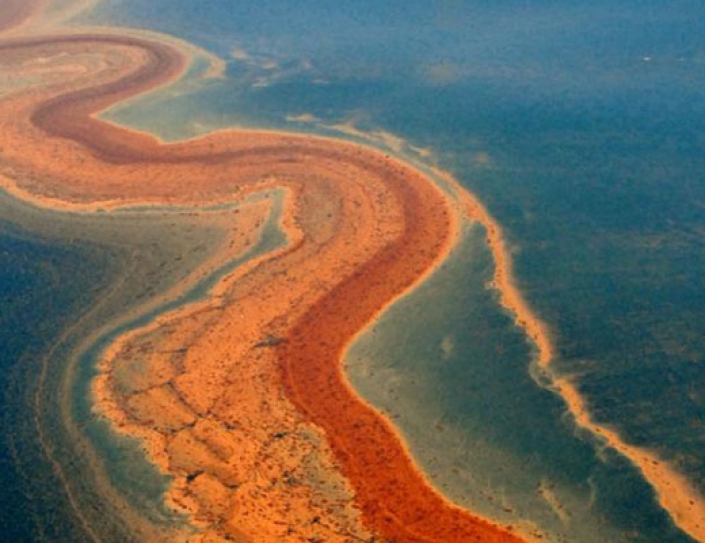
The Dispersants Used After The BP Blowout Did More Harm Than Good
Chemical dispersants were supposed to make it easier for undersea bacteria to digest the oil that poured into the Gulf of Mexico after the Deepwater Horizon blowout. Read More

True Review Movie – The Martian


Critics rating : 4 Stars
Cast : Matt Damon, Chiwetel Ejiofor, Jeff Daniels, Jessica Chastain
Direc...
Read More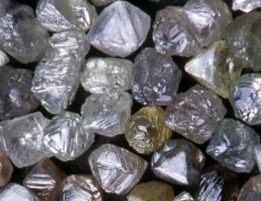
The Machine That Promises To Turn Carbon Pollution Into 'Diamonds From The Sky'
"We have found a way to use atmospheric CO2 to produce high-yield carbon nanofibers," George Washington University?s Stuart Licht, Ph.D, said in a statement announcing his ...
Read More
The Machine That Promises To Turn Carbon Pollution Into 'Diamonds From The Sky'
"We have found a way to use atmospheric CO2 to produce high-yield carbon nanofibers," George Washington University?s Stuart Licht, Ph.D, said in a statement announcing his ...
Read More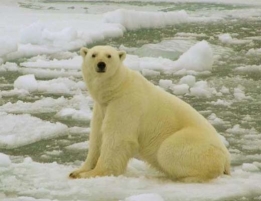
It May Be Even Worse For The Polar Bears Than Previously Thought
Because of an increase in heat-trapping gases in the atmosphere, polar bear habitats are likely to see severe declines in sea ice extent by mid-century, which could lead to...
Read More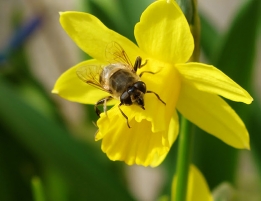
Rising Temperatures Are Squishing Bumblebee Habitats.
Climate change is putting the pinch on bumblebee habitats, says a study published today in the journal Science. As atmospheric temperatures have risen, wild bumblebees in N...
Read More
Climate Change: India Asks Developed Nations To Finalise Pre-2020 Action Plan
Ahead of the Climate change talks in Paris, Environment minister Prakash Javdekar today called on developed nations to formulate their pre-2020 action and roadmaps. Speakin...
Read More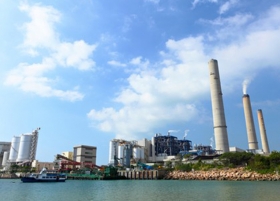
Earth Wins Time As Land And Seas Absorb More Carbon
Climate change has intensified more slowly than scientists had expected because the continents and oceans are absorbing more atmospheric carbon dioxide. Half of all the car...
Read More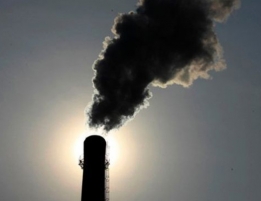
CO2 Levels Reach Monthly Record
Global carbon dioxide concentrations have reached a new monthly record of 400 parts per million, according to scientists. The milestone was announced by the US National Oce...
Read More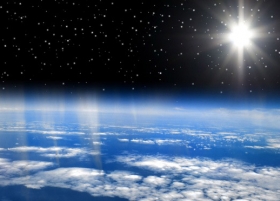
From The Archive, 31 March 1995: First Ozone Hole Found Over Arctic
Meteorologists and atmospheric chemists have watched in alarm as a similarly explosive mixture to the Antarctic vortex has been assembled in the Arctic For the first time, ...
Read More